

Exploring the Evolution of Beauty Standards
Exploring the Evolution of Beauty Standards
Beauty standards have evolved significantly over the centuries, reflecting broader cultural, social, and economic changes. This exploration into the evolution of beauty standards reveals not only how our perceptions have shifted but also how they continue to impact society today.
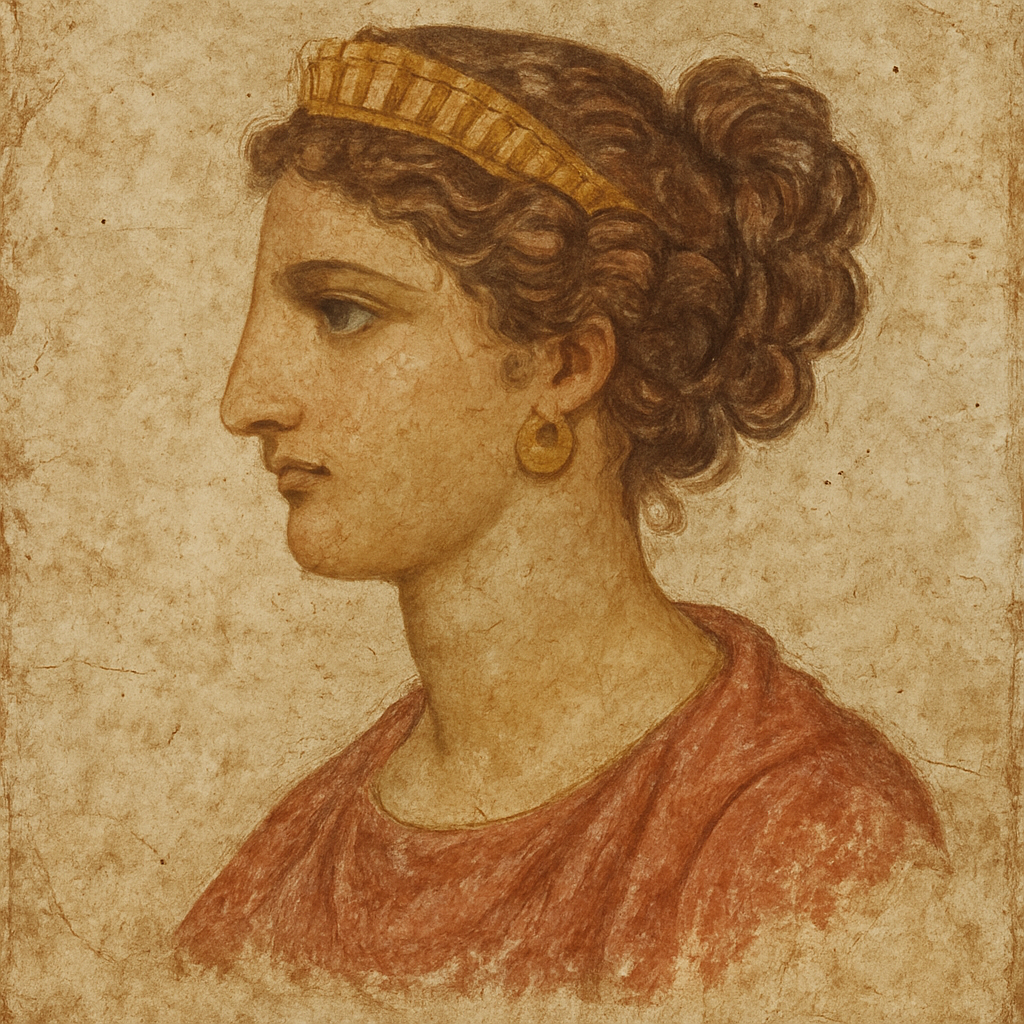
In ancient times, beauty ideals varied greatly across different cultures. For example, in Ancient Egypt, beauty was closely tied to symmetry and harmony, with both men and women striving for a balanced appearance. The use of kohl to accentuate the eyes was a common practice, symbolizing both aesthetic appeal and protection against evil. Meanwhile, in Ancient Greece, the focus was on physical fitness and a well-proportioned body, reflecting the society’s admiration for athleticism and health.
The Influence of the Renaissance
The Renaissance period marked a significant shift in beauty standards, particularly in Europe. This era celebrated fuller figures as symbols of wealth and fertility. Pale skin became a desirable trait, signifying both aristocracy and the avoidance of outdoor labor. Art from this period often depicted women with rounded bodies and delicate features, emphasizing a soft, romantic ideal of beauty.
Modern Beauty Movements
Fast forward to the 20th and 21st centuries, and we see a dramatic transformation in beauty ideals. The rise of Hollywood in the early 1900s brought new standards, with figures like Marilyn Monroe epitomizing the curvaceous ideal of the 1950s. However, the 1960s saw a shift towards a slimmer figure, influenced by models like Twiggy. This trend continued through the 1990s, with supermodels promoting a lean, athletic physique.
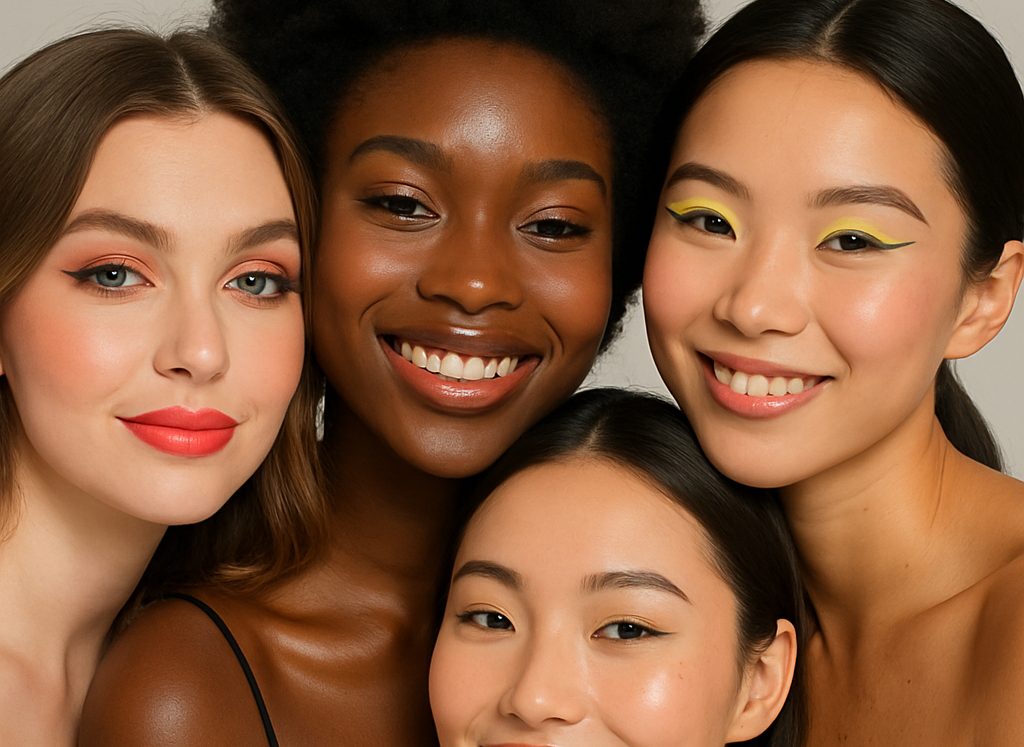
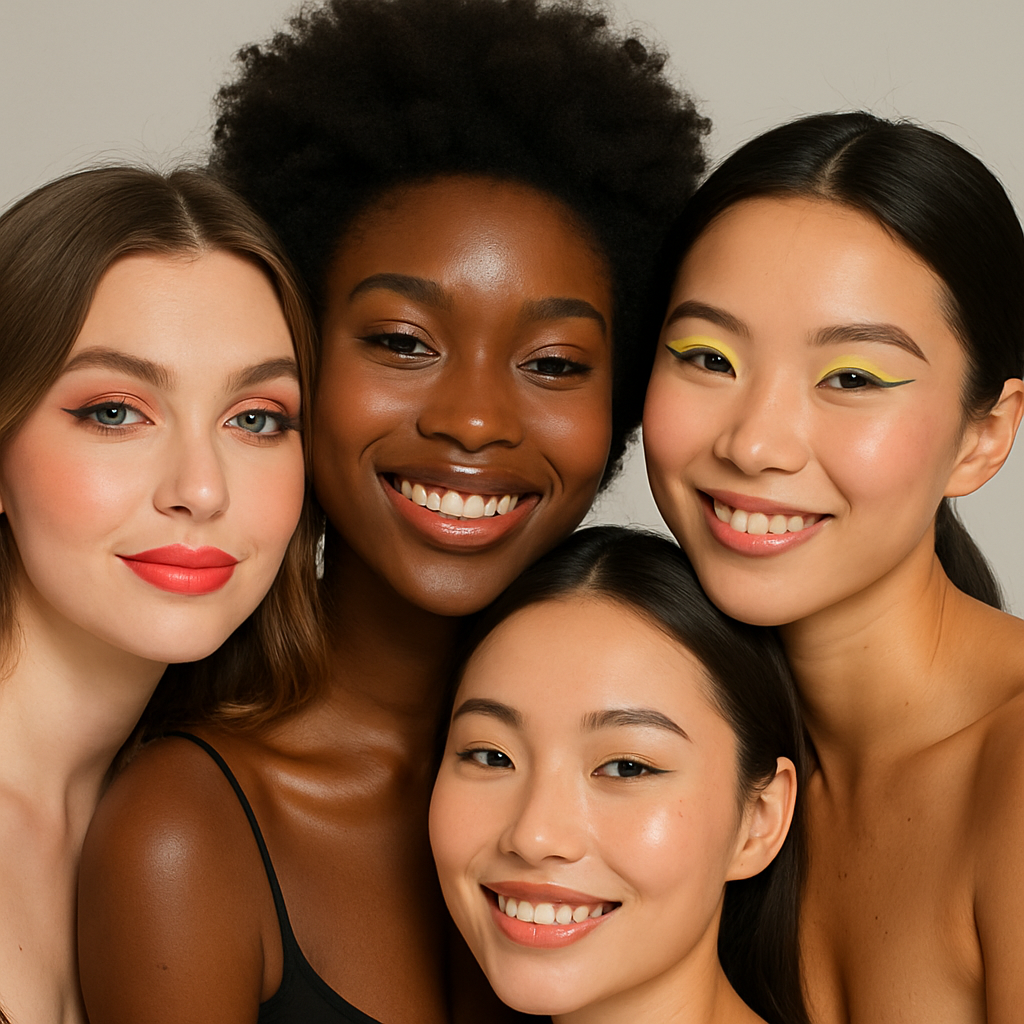
In recent years, the conversation around beauty has become more inclusive. Movements such as “Beauty in Black” emphasize the importance of representing diverse skin tones and body types in media and advertising. This shift towards inclusivity highlights the beauty and individuality of all people, challenging long-held stereotypes and biases.
The Role of Media and Technology
The rapid advancement of technology and the proliferation of social media have further impacted beauty standards. Platforms like Instagram and TikTok allow for the sharing and celebration of diverse beauty ideals from around the world. However, they also contribute to the pressure to conform to certain looks, often amplified by filters and photo editing.
Conclusion
The evolution of beauty standards is a reflection of societal changes and cultural shifts. While traditional ideals continue to influence perceptions, there is a growing movement towards embracing diversity and individuality. As we move forward, it is essential to recognize and celebrate the beauty in all its forms, challenging the narrow definitions that have historically dominated the conversation.
By understanding the history and evolution of beauty standards, we can better appreciate the diverse representations of beauty that exist today and continue to push for a more inclusive future.