

Sustainable Fashion: Trends for Eco-Conscious Consumers
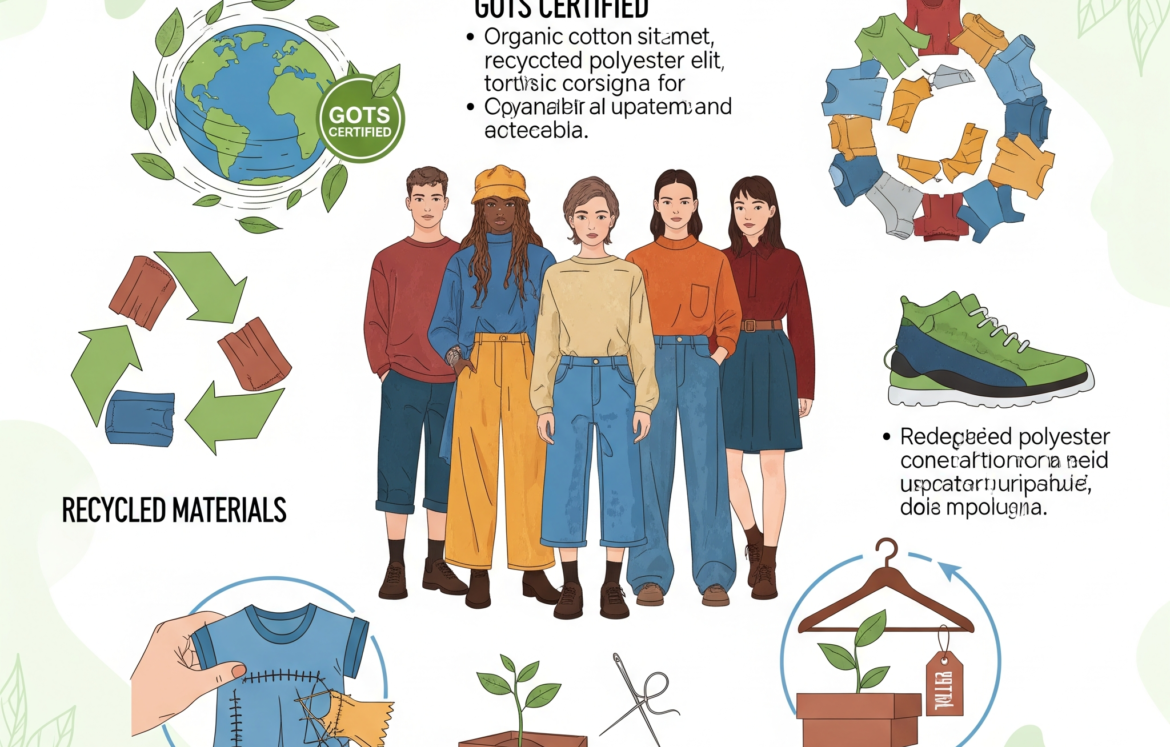
Sustainable Fashion: Trends for Eco-Conscious Consumers
In today’s rapidly changing world, sustainability has become more than just a buzzword; it’s a lifestyle choice that many are eager to adopt. This shift is particularly evident in the fashion industry, where eco-conscious consumers are driving a significant transformation towards more sustainable practices. This movement is not only altering how clothing is produced and consumed but also redefining what it means to be fashionable. Let’s delve deeper into the latest trends in sustainable fashion that are capturing the attention of those who value both style and the planet.
Sustainable fashion refers to clothing that is designed, manufactured, distributed, and used in environmentally friendly ways. As awareness of climate change and environmental impact grows, more consumers are seeking out brands that prioritize sustainability. This trend is reshaping the fashion landscape, encouraging brands to rethink their production methods and material choices.
The rise in consumer awareness about environmental issues is a key driver of sustainable fashion. People are increasingly conscious of the carbon footprint of their wardrobe choices. Social media platforms and documentaries have played a significant role in educating the public about the detrimental effects of fast fashion. This heightened awareness has led to a demand for transparency from brands, pushing them to disclose their environmental practices and make necessary changes.
Influencers and celebrities have also contributed to the rise of sustainable fashion. By endorsing eco-friendly brands and showcasing sustainable clothing in their social media posts, they inspire their followers to make more environmentally conscious choices. High-profile figures, such as Emma Watson and Leonardo DiCaprio, have been vocal advocates for sustainable fashion, using their platforms to raise awareness and promote change within the industry.
Governments and regulatory bodies are beginning to impose stricter environmental standards on the fashion industry. These regulations are designed to reduce the industry’s carbon footprint and encourage sustainable practices. For example, some countries have implemented policies that require fashion brands to disclose their supply chains and environmental impacts. Such measures are crucial in holding companies accountable and driving the shift towards sustainability.
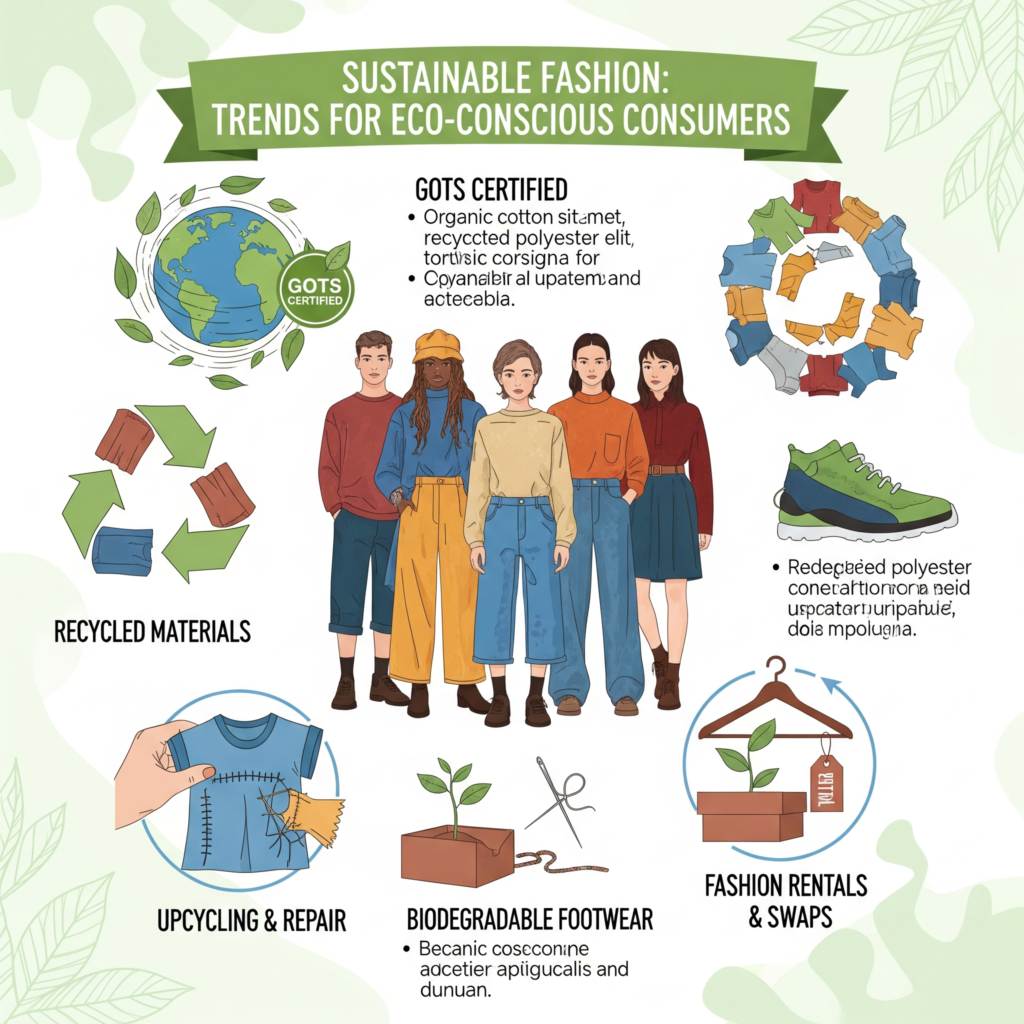
One of the most significant trends in sustainable fashion is the use of eco-friendly materials. Brands are increasingly opting for organic cotton, recycled polyester, and Tencel, a fabric made from sustainably sourced wood pulp. These materials reduce the environmental impact of clothing production and offer consumers a more sustainable choice.
Organic cotton is a popular choice among eco-friendly materials. It is grown without the use of harmful pesticides and chemicals, making it better for the environment and for farmers. Similarly, other natural fibers like hemp and linen are gaining traction due to their minimal environmental impact. These materials are biodegradable, require less water to grow, and are often produced using sustainable farming practices.
Innovation in fabric technology is leading to the development of new sustainable materials. Recycled polyester, for instance, is made from post-consumer plastic bottles, reducing plastic waste and energy consumption in production. Tencel, made from wood pulp, is another innovative fabric that is both sustainable and comfortable. These materials not only lessen the environmental impact but also offer diverse options for designers to create stylish clothing.
Plant-based alternatives are emerging as a sustainable choice in the fashion industry. Materials like Piñatex, made from pineapple leaf fibers, and Mylo, a leather alternative derived from mycelium, are gaining popularity. These innovative fabrics provide eco-friendly options that do not compromise on quality or aesthetics, further expanding the possibilities within sustainable fashion.
Sustainable fashion is not just about the materials used; it’s also about how clothes are made. Ethical production involves fair wages, safe working conditions, and transparency in the supply chain. Many brands are now adopting ethical practices, ensuring that their workers are treated fairly and that their production methods do not harm the environment.
Fair trade practices are integral to ethical production. Brands committed to fair trade ensure that their workers receive fair wages and work under safe conditions. This approach not only supports the livelihoods of workers but also promotes social equity. By choosing fair trade products, consumers can contribute to positive social change and support ethical labor practices.
Transparency in the supply chain is becoming increasingly important to consumers. Brands are now expected to provide detailed information about their production processes, from sourcing raw materials to manufacturing and distribution. This transparency allows consumers to make informed choices and supports brands that prioritize ethical practices. Technologies like blockchain are being utilized to enhance supply chain transparency and traceability.
The slow fashion movement advocates for thoughtful consumption and quality over quantity. Unlike fast fashion, which focuses on rapid production and turnover, slow fashion emphasizes craftsmanship, durability, and timeless design. By investing in high-quality pieces that last longer, consumers can reduce waste and support a more sustainable fashion industry.
Fashion Nova, a popular fashion brand known for its trendy and affordable clothing, is also making strides towards sustainability. While they are primarily known for their fast fashion offerings, they are beginning to incorporate more sustainable practices into their operations.
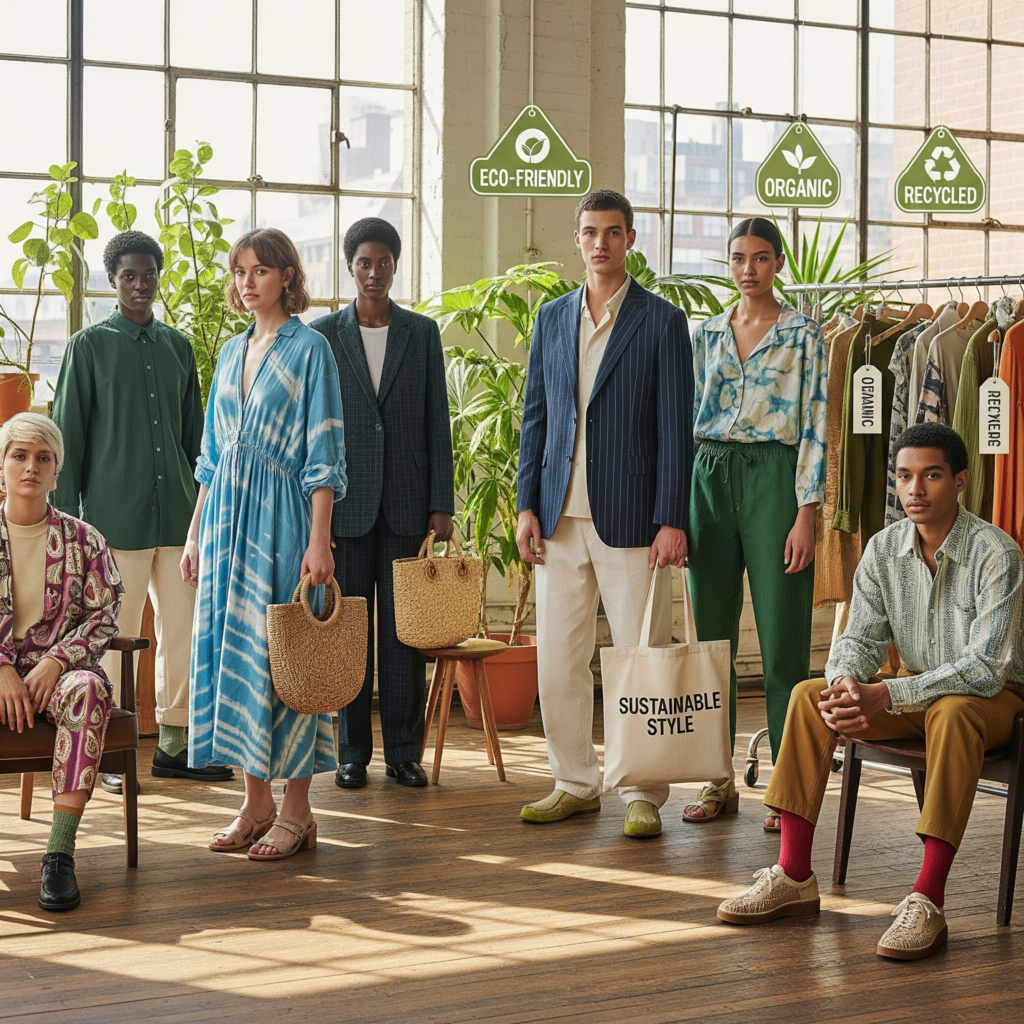
Fashion Nova has expanded its offerings to include a range of eco-friendly options for men. From organic cotton tees to recycled denim, these items are designed with sustainability in mind. Fashion Nova Men is making it easier for eco-conscious consumers to make sustainable choices without compromising on style.
Fashion Nova is gradually integrating sustainable materials into its collections. By incorporating fabrics like organic cotton and recycled polyester, the brand is reducing its environmental impact. This shift not only caters to the growing demand for sustainable options but also aligns with global efforts to reduce the fashion industry’s carbon footprint.
In addition to offering sustainable products, Fashion Nova is engaging in collaborations and initiatives to promote eco-friendly practices. Partnerships with sustainable fashion influencers and participation in environmental campaigns are helping to raise awareness and drive change. These efforts demonstrate Fashion Nova’s commitment to sustainability and its role in shaping a more responsible fashion industry.
The sustainable fashion movement has given rise to several trends that are gaining popularity among eco-conscious consumers.
Upcycling involves transforming old or discarded clothing into new, fashionable pieces. This trend not only reduces waste but also encourages creativity and individuality in fashion. Many designers are now focusing on upcycled collections, offering unique pieces that stand out from mass-produced items.
Recycling, on the other hand, involves turning used materials into new products. Brands are increasingly using recycled fabrics, such as polyester made from plastic bottles, to create stylish and sustainable clothing. This approach not only conserves resources but also reduces the need for virgin materials, further minimizing environmental impact.
Another trend gaining traction is the minimalist wardrobe. This concept encourages consumers to invest in a smaller number of high-quality, versatile pieces that can be worn in multiple ways. A minimalist wardrobe not only reduces clutter but also promotes thoughtful consumption and reduces the demand for fast fashion. This trend aligns with the principles of sustainability by encouraging consumers to buy less and choose well.
Thrifting and shopping for vintage clothing are becoming more popular as consumers look for sustainable ways to update their wardrobes. Second-hand shopping reduces waste by giving clothes a second life and often offers unique, one-of-a-kind pieces. Many online platforms now make it easy to find and purchase second-hand and vintage clothing. This trend supports a circular economy and promotes the idea that fashion can be both sustainable and stylish.
Digital fashion is an emerging trend that offers a new dimension to sustainable fashion. By creating digital clothing, consumers can enjoy fashion without the environmental impact of physical production. This innovative approach allows for limitless creativity and personalization while reducing waste and resource consumption. As technology advances, digital fashion is poised to revolutionize the way we experience and interact with fashion.
As the demand for sustainable fashion continues to grow, brands are likely to adopt even more innovative and eco-friendly practices. Here are a few predictions for the future of sustainable fashion:
Advancements in technology are paving the way for more sustainable fashion solutions. From biodegradable fabrics to waterless dyeing techniques, technology is helping to reduce the environmental impact of clothing production. Expect to see more brands incorporating these innovations into their collections. Additionally, 3D printing and AI-driven design are set to revolutionize manufacturing processes, making them more efficient and sustainable.
Circular fashion is a concept that aims to create a closed-loop system where clothing is designed to be reused, recycled, or composted. This approach minimizes waste and encourages brands to think about the entire lifecycle of their products. As more companies adopt circular fashion principles, we can expect to see a shift towards more sustainable consumption patterns. This shift will require collaboration across the industry and the development of new business models that prioritize sustainability.
Consumers are becoming more conscious of the impact their purchases have on the environment and society. As a result, they are demanding greater transparency from brands. In response, companies are providing more information about their supply chains and production processes, allowing consumers to make informed choices. This trend is likely to continue, with brands leveraging technology to enhance transparency and build trust with their customers.
Education is key to driving the sustainable fashion movement forward. As awareness grows, educational initiatives focused on sustainability in fashion are becoming more prevalent. These programs aim to equip designers, consumers, and industry professionals with the knowledge and skills needed to create and promote sustainable fashion. By fostering a culture of sustainability, education can empower the next generation to make a positive impact on the fashion industry.
Sustainable fashion is more than just a trend; it’s a movement that is reshaping the fashion industry. As eco-conscious consumers continue to prioritize the planet, brands are adapting to meet their demands. Whether it’s through the use of eco-friendly materials, ethical production processes, or innovative technologies, the future of fashion is looking greener than ever.
By embracing sustainable fashion, consumers can make a positive impact on the environment while still enjoying stylish and trendy clothing. So, the next time you’re shopping for a new outfit, consider the sustainable options available and make a choice that benefits both you and the planet. Together, we can create a more sustainable and fashionable future.